

‘Notification to Quit’ vs an ‘Expulsion Notification’?
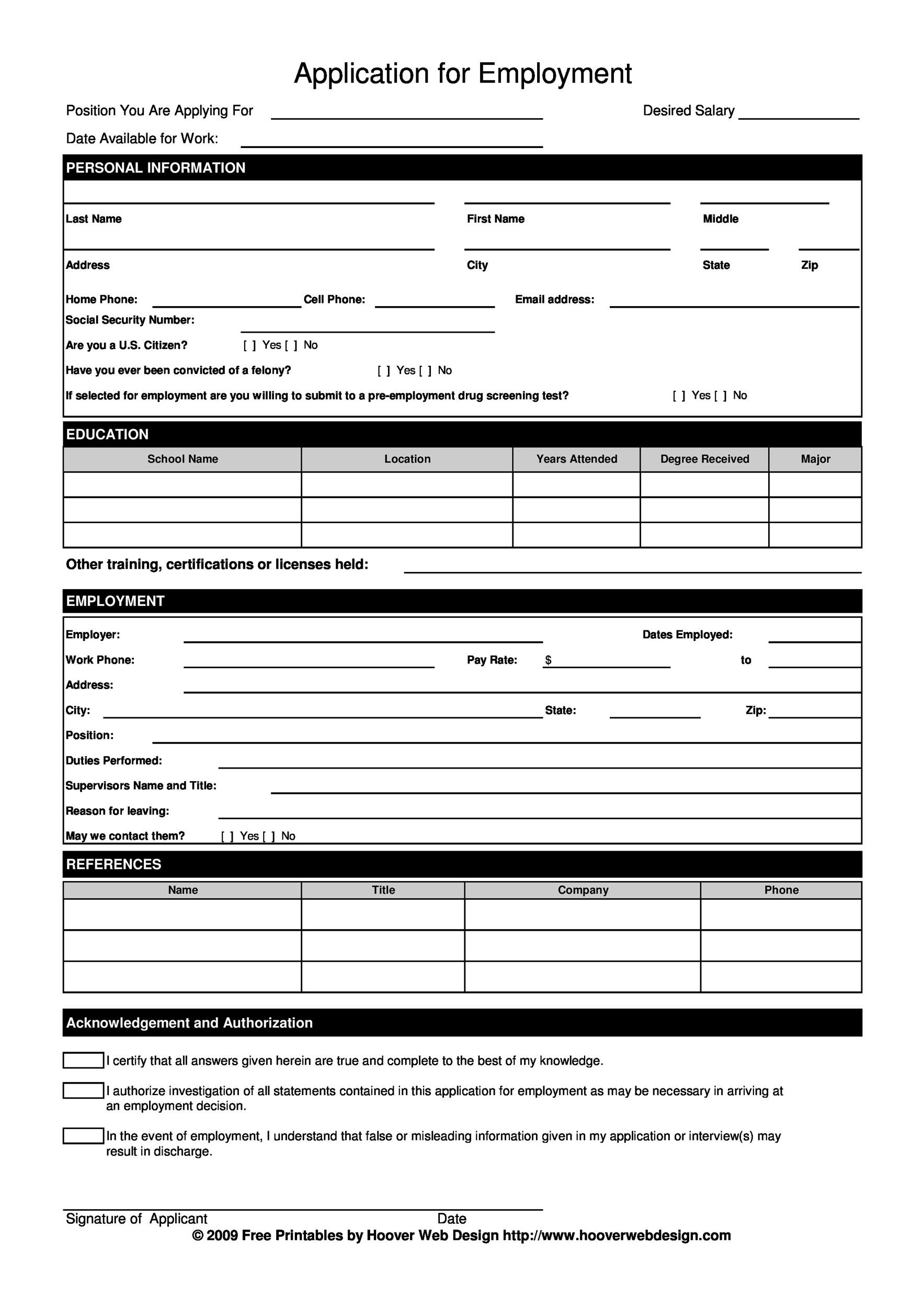
The terms ‘observe to give up’ and ‘eviction notification’ are usually made use of interchangeably, however they can have slightly various significances relying on the territory. Right here’s a basic explanation of the difference in between both:
- Notice to Quit: A notification to give up is commonly the initial notice provided by a landlord to a renter to inform them that their tenancy is being terminated and they are needed to vacate the properties. It functions as a formal notification that the proprietor desires the occupant to leave the property. The notice to quit specifies the factor for termination, such as non-payment of rent, infraction of lease terms, or completion of a lease duration.
- Eviction Notice: An expulsion notification, likewise referred to as a summons or notification of expulsion, is a legal record served by a landlord to formally launch the expulsion process after the notice to quit has actually been provided. It is a lawful step taken by the proprietor to gain back possession of the building and get rid of the occupant if they have actually not followed the notification to give up or stopped working to treat the violation within the defined duration.
by link New Jersey Eviction Letter all details website
In some jurisdictions, the term ‘eviction notification’ may be used to refer to both the notice to give up and the succeeding formal lawful notification to initiate eviction procedures. Nevertheless, generally, the notice to stop is the initial notice indicating the termination of the tenancy, while the eviction notification is the legal record launching the legal process for expulsion.
It is essential to note that the particular terminology and requirements for notifications and expulsion proceedings can differ depending upon local laws and laws. It is a good idea to seek advice from regional legislations or seek legal recommendations to comprehend the specific demands and terms suitable to your territory.
It’s a fact of life in the rental building company that often, regardless of a property owner’s best shots, a renter will certainly need to be forced out. In the existing pandemic times, evictions are outlawed up until at least spring 2021, leading to substantial back lease and non-payments for mom-and-pop landlords. In NYC alone, reports are that there is $1 billion in impressive lease as of early 2021.
The struggle is genuine, and property managers are faced with challenging choices concerning their lessees, an economic and work downturn, and their hard-earned possessions that could be underwater.
At the minimum investor require to be knowledgeable about their choices, and have a design template for what to do when the moment pertains to make that difficult choice. Every state has various eviction laws and proprietors need to always be specific they have a lawful factor to force out a lessee.
In this short article we’ll cover the basic regulations and timelines for evicting a renter, review an eviction notice design template, and list some of the best online state government resources for evictions.
What is an eviction notice?
An expulsion notification is a written letter that starts the eviction process. Generally the eviction notification is supplied face to face and by licensed mail, although the precise treatments differ from one state to another.
There are 3 general components to an eviction notification layout:
- Description of the issue the occupant have to heal or deal with (such as unsettled rent or problem habits)
- Day tenant must leave or vacate the properties if the problem is not taken care of
- Further notification that the property owner and lessee may go to court to proceed the expulsion process
Common factors for sending out an eviction notice
The excellent tenant constantly pays the lease promptly, never grumbles, and cares for the property as if it were their very own.
Landlords who screen their possible renters very carefully can generally avoid problem lessees. However, every now and then, things do not constantly exercise as expected.
Below are some of the common reasons for sending an expulsion notice:
- Failure to pay the rental fee in a timely manner and in full
- Constantly paying the rental fee late
- Breaching several terms and conditions of the lease
- Damage to the residential property (excluding regular damage)
- Interrupting various other lessees or neighbors
- Making use of the residential or commercial property for prohibited objectives, running a company, or breaking zoning legislations
- Holdover renter who rejects to leave as soon as the lease has ended
Understanding the eviction process
It aids to think of the eviction process as a decision tree. Depending on what the tenant does or does not do at each branch establishes the following action a property manager should take.
There are 10 basic actions to the eviction procedure, from the moment the lease is authorized to when the tenant or property manager victories in court:
- Composed lease agreement is signed
- Issue develops that can result in an eviction
- Proprietor and occupant try to agreeably resolve the issue
- Eviction notification is sent (if trouble can not be resolved)
- Issue is filed in court and a court date is established
- Often the occupant will stop working to show up, leading to a default judgment for the property owner
- Both celebrations to go court to discuss their side of the story to the judge
- Judge reviews written documents and testimony and guidelines on the instance
- Lessee wins and stays, and the landlord might need to pay all court costs and legal charges
- Proprietor wins and lessee leaves, with the court releasing a court order for a Warrant of Eviction or a Writ of Restitution
State government sources for evictions
Landlords are in charge of comprehending both government and state legislation, consisting of tenant’s civil liberties, when operating rental home.
Also in landlord-friendly states such as Louisiana and West Virginia, rental property capitalists require to learn about whatever from leasing and addendums, rental fee rises and renewals, and eviction notices.
Right here’s a checklist of some of the most effective on the internet sources for landlord-tenant law and state government sources for expulsions.
American Apartments Owners Organization (AAOA)
Prior to starting the expulsion process it’s important that property managers recognize what they can and can’t do. Making one small mistake, relying on the state, could result in double or three-way problems. The AAOA publishes an interactive map and checklist of landlord-tenant laws and the eviction procedure for all 50 states.
FindLaw
Released by Thomson Reuters, FindLaw.com offers links to the landlord-tenant statutes for all 50 states and Washington D.C. along with loads of write-ups on expulsions, landlord-tenant law, and much more.
Fit Local Business
This thorough online source provides an interactive map to search for landlord-tenant legislation by state, explains exactly how states establish their landlord-tenant legislations, defines general property owner and renter duties, and consists of a state list for particular landlord-tenant legislations and a link to every state’s page.
Nolo
Nolo began publishing diy lawful overviews back in 1971 and over the past half a century has advanced into one of the top lawful websites on the net. The business provides information on just how to kick out an occupant, expulsion notice design templates and kind, and everything else a property could need for landlord/tenant needs.
Policy Surveillance Program
The Holy Place College Beasley College of Regulation releases this interactive website to study state, federal, and common law – consisting of the Attire Residential Proprietor and Lessee Act of 1972 (URLTA).
U.S. Division of Housing and Urban Advancement (HUD)
HUD offers an updated list of tenant’s legal rights, legislations and securities with web links for all 50 states and Puerto Rico/U. S. Virgin Islands. From here, you can access state-specific websites for state landlord/tenant regulation, attorney general office, plus Federal Fair Real estate laws and the Americans with Disabilities Act.
Final thought
Each state has its own set of guidelines that govern landlord-tenant laws and the tenant expulsion process. Most states base their sculptures on the URLTA (Uniform Residential Landlord and Renter Act) that regulate points such as the quantity of a down payment and exactly how it is managed, charges for late repayment of lease, and the actions to follow when carrying out an expulsion.
Minden vélemény számít!