

Transfer on Fatality Deed: What It Is and Exactly how It Functions
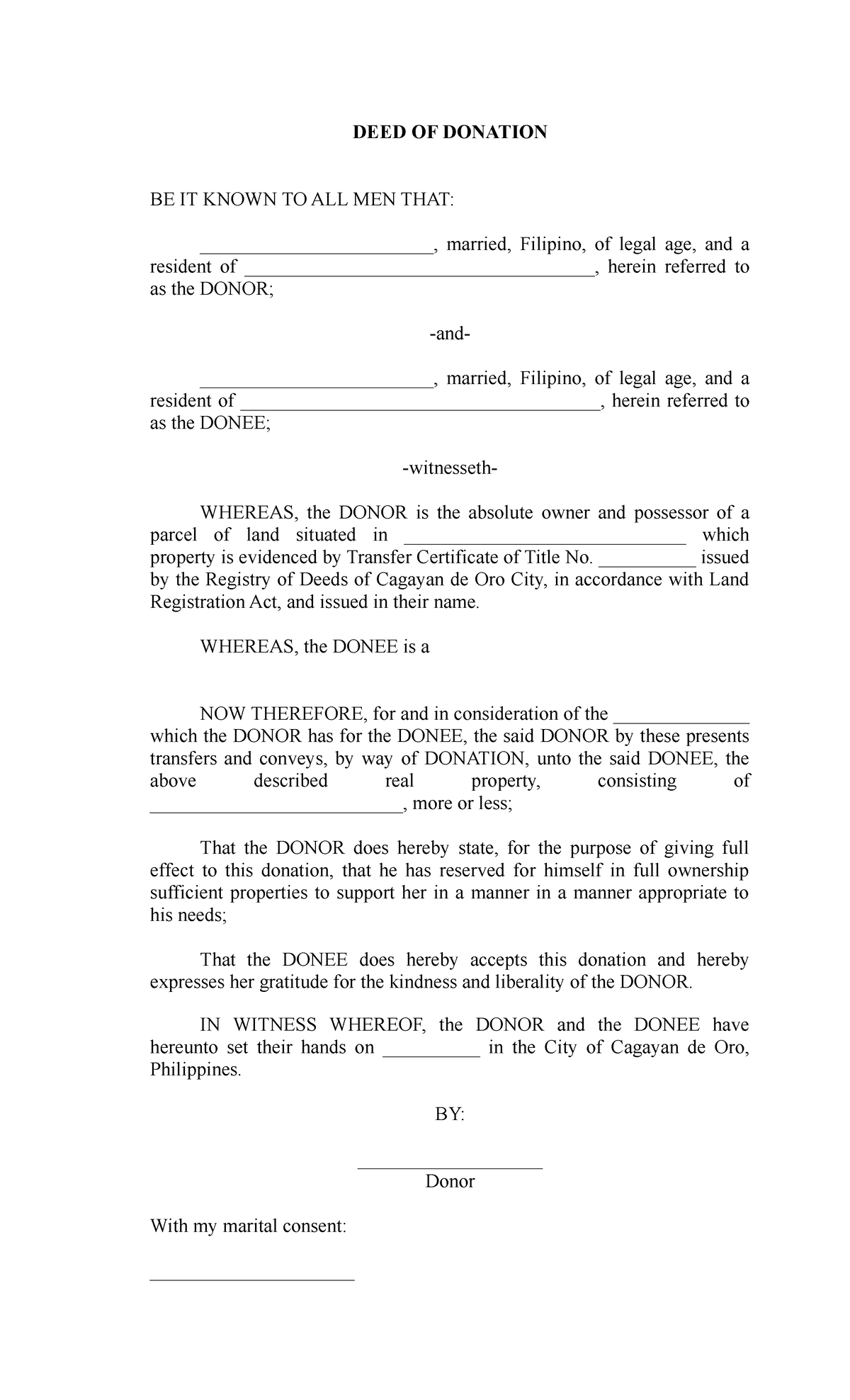
A transfer on fatality action defines that acquires residential property after the owner’s fatality, providing a straightforward and affordable method to stay clear of probate for real estate.
A transfer on death action is a legal record that permits property owners to mark recipients who will certainly inherit their real estate upon fatality. The residential or commercial property covered by the deed commonly prevents the probate court process, typically saving beneficiaries time, money, and tension throughout the inheritance procedure.
These sorts of deeds are relatively brand-new, and blunders are easy to make when composing them-even an easy mistake can cause major monetary effects, so it’s smart to work with a knowledgeable lawyer.
Before you meet your lawyer to produce a transfer on death action, let’s review exactly how it works and its potential advantages and downsides.
What is a transfer on fatality deed?
A transfer on fatality (TOD) action is a legal record that enables you to call beneficiaries who automatically inherit your property when you pass away, without experiencing probate.Read here Nebraska Life Estate Deed At our site The homeowner (grantor) preserves complete control during their life time, and the transfer only works upon fatality. Depending upon your state, this record may additionally be called a beneficiary act, revocable transfer on fatality deed, or ‘Girl Bird’ act.
Secret functions of a TOD deed include:
- Timing. Works only upon the homeowner’s fatality
- Proprietor control. The owner maintains complete control of the property during their lifetime
- Recipient legal rights. Recipients have no legal rights to the home while the owner lives
- Revocability. Can be revoked or altered by the proprietor any time prior to fatality
TOD deeds aren’t offered in every state or appropriate in all situations. The details policies and demands vary by territory. You ought to evaluate your local legislations and seek advice from an estate planning attorney prior to proceeding.
Just how a TOD action functions
In a TOD action, the current owner marks several recipients that immediately inherit the home upon death. Recipients can be people or companies, such as charities.
For married couples, the beneficiary doesn’t acquire the property until the 2nd partner dies. The making it through partner can withdraw the TOD deed at any time before after that.
When designating recipients, maintain these demands in mind.
- Usage particular names: Constantly designate recipients by name, never ever just by partnership.
- Specify possession type: For multiple recipients, indicate whether they take title ‘as joint occupants with civil liberties of survivorship’ or ‘as renters in common.’
- Call alternates: Designate follower beneficiaries in case the main recipient dies initially.
Ohio has actually changed the TOD act with a TOD testimony, but the impact coincides. With a pattern toward allowing TOD deeds, even more states might be included the future. A couple of states, such as Michigan, have a comparable yet technically various document, frequently called Girl Bird or improved life estate actions.
If your residential or commercial property is not located in a state that enables TOD actions, you might still have the ability to avoid probate by other methods, such as moving home to a living trust fund.
Benefits of a TOD action
Below’s how TOD actions contrast to various other home transfer approaches:
- Transfer by will certainly: Unlike wills, TOD actions stay clear of probate entirely, saving time and money.
- Joint possession: While joint possession additionally prevents probate, all owners have to settle on residential or commercial property decisions. TOD deeds allow you maintain full control up until death.
- Transfer to a living count on. Counts on stay clear of probate without compromising control yet require more complex documentation and higher arrangement costs than TOD acts.
Extra advantages include:
- Homestead protection. Protects state asset protection and tax benefits for your principal home that may be shed with other transfer approaches.
- Tax obligation advantages. Stays clear of federal present tax obligations since the transfer isn’t immediate. Beneficiaries get a stepped-up basis, meaning funding gains are computed from the building’s worth at fatality, not original purchase price.
Developing a transfer on death deed
Preparing a TOD deed is not made complex, but it needs to be done in compliance with state law. It’s recommended to speak with a lawyer or use state-approved forms to guarantee your TOD deed satisfies all lawful needs and efficiently offers its intended function. Here are the general steps you’ll follow to develop one:
Action 1: Prepare the deed
Your TOD act need to adhere to state law and include specific info:
- Event names: Grantor (existing owner) and grantee beneficiary
- Property information: Lawful summary of the home
- Trademarks and witnesses: Grantor trademark with necessary witness and notary stipulations
- Formatting: Proper kind size and room for tape-recording stamps
The act has to consist of unique language clearly mentioning the recipient’s name (as ‘grantee recipient’) which the transfer works upon the owner’s death.
Action 2: Sign and swear
After preparing the action, you have to authorize it in the presence of a notary public. Some states may require added witnesses, so check your territory’s demands.
Step 3: Videotape the act
The TOD deed should be taped in the county residential or commercial property documents where the building lies prior to the proprietor’s death. Take the initial deed to your region staff’s office, land records workplace, or register of acts, and pay the recording cost.
The clerk will mark the act with the obtained day and officially enter it into area documents. They’ll after that return the initial to you.
Typical problems with transfer on death acts
While TOD deeds work estate preparation devices, they feature potential complications:
- Limited accessibility: TOD deeds aren’t acknowledged in all states, producing challenges for owners with multi-state assets
- Joint possession complications. All co-owners need to all accept the deed, and one proprietor’s death might disrupt the transfer procedure.
- Beneficiary predeceases owner. Without a called alternating recipient, the building might end up in probate.
- Financial debt liability. Recipients acquire the property together with any liens, mortgages, or claims against it.
- Paperwork issues. Poor documents of cancellations or alterations can bring about conflicts and unplanned transfers.
- Title troubles. Wrong implementation or existing residential property cases may need lawful intervention to settle.
- Federal government benefits. Acquired residential property can influence beneficiaries’ eligibility for Medicaid and various other means-based programs.
- Household disagreements. Unequal asset circulation might set off disputes or lawful challenges.
Provided these prospective problems, it’s important to get in touch with an estate preparation lawyer before producing a TOD act. A lawyer can confirm it aligns with your general estate strategy and aid you avoid costly difficulties.
Alternatives to transfer on death acts
Take into consideration these choices to TOD deeds:
- Will. Defines how your properties are dispersed after fatality. Residential or commercial property undergoes probate, however you gain flexibility in separating possessions and naming guardians for small kids.
- Living trust fund. Transfer property right into a trust fund while preserving complete control as trustee. Properties pass to recipients without probate upon your death.
- Gifting. Transfer residential or commercial property to recipients during your life time. You give up control immediately and may deal with tax effects.
To assist you figure out the most effective option for your requirements, think about utilizing our last will and depend on assessment service. Lawyers from our independent network can lead you via the whole estate preparation process. This consists of financial power of attorney and healthcare regulations, to help guarantee your property is distributed according to your desires.
Frequently asked questions
Can a TOD deed be revoked?
Yes, you can withdraw a TOD deed anytime before fatality by filing a retraction paper or a brand-new TOD act with the area recorder’s workplace.
How can a transfer on death deed aid prevent probate?
TOD acts instantly move residential or commercial property directly to named recipients upon the owner’s fatality, entirely bypassing the time-consuming and usually pricey probate procedure.
What are the tax implications of a TOD act?
TOD deeds do not impact real estate tax throughout the proprietor’s lifetime. Upon transfer, recipients might face capital gains tax obligations if they sell, plus potential inheritance tax and real estate tax reassessment.
Minden vélemény számít!